
Budget Scanner Showdown: Einscan Rockit vs Rigil lite vs Rigil lite Limited Edition
6th Jun 2026
Budget Scanner Showdown: EinStar Rockit vs Rigil Lite vs Rigil Lite Limited Edition
Choosing the right handheld 3D scanner isn’t just about price or specifications. It’s about how the scanner behaves in real workflows—how it tracks, how it handles different geometry types, and how quickly you can go from raw scan data to a usable model.
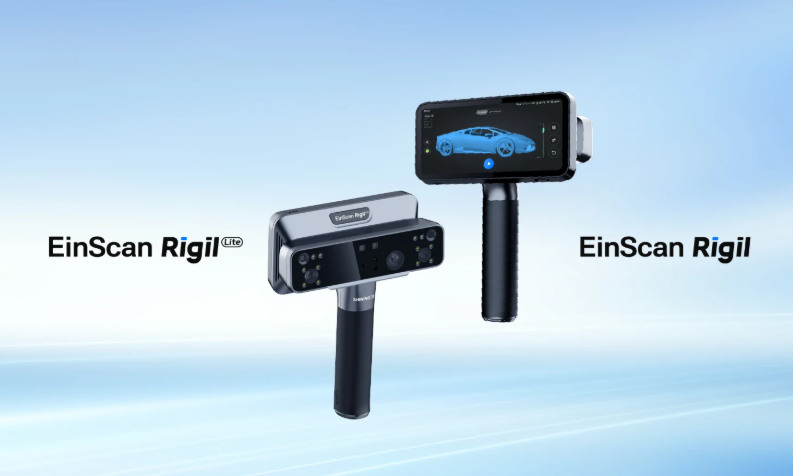
In this comparison, we’re looking at three closely positioned systems: the EinStar Rockit, the Rigil Lite, and the Rigil Lite Limited Edition. While they share a similar design philosophy, each one is tuned for a different kind of user and scanning workflow.
Instead of focusing only on specs, this breakdown focuses on real-world performance: tracking stability, edge capture, surface handling, and workflow efficiency under identical conditions.
Understanding the Three Scanners
Before comparing performance, it’s important to understand what each scanner is designed to do.
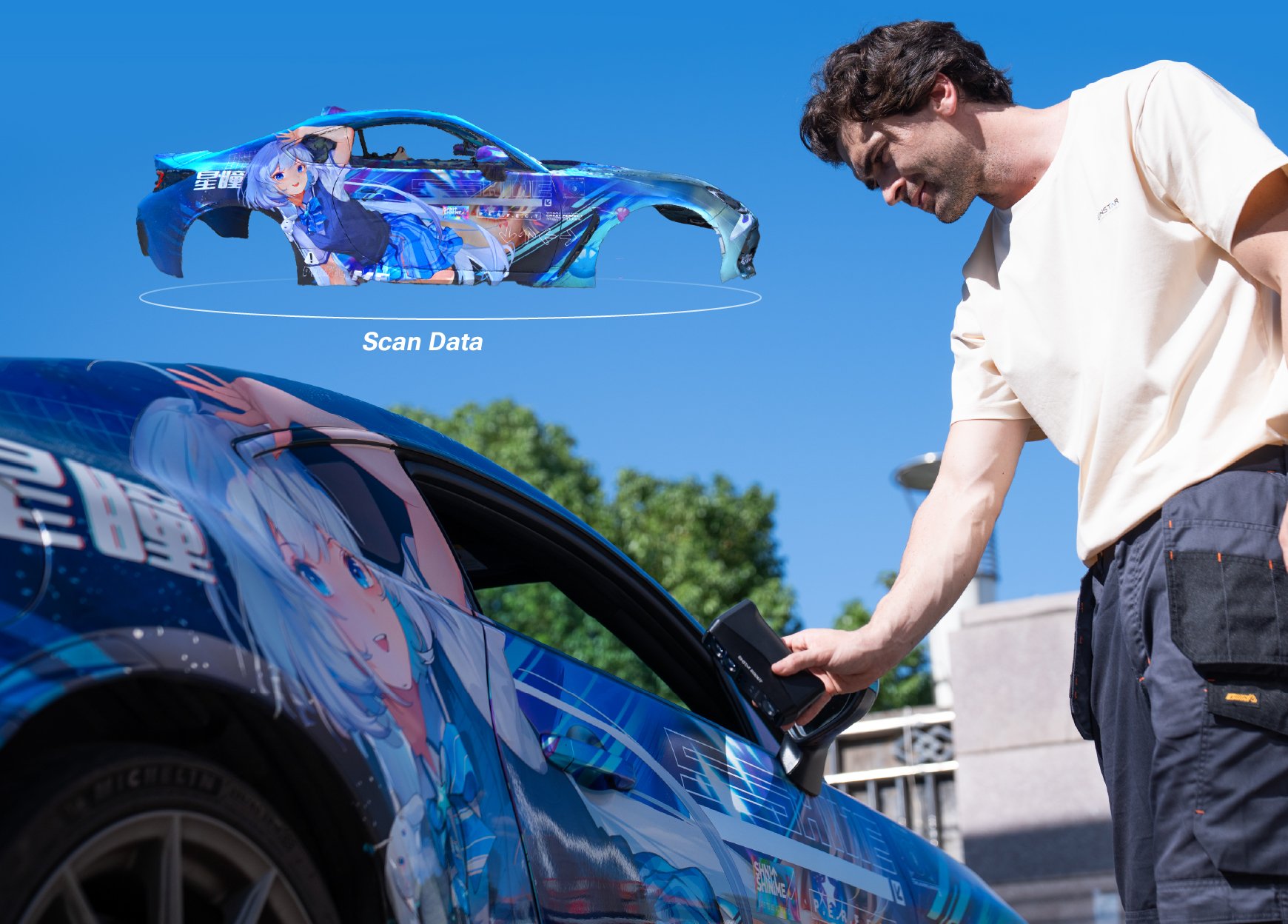
The EinStar Rockit is built for speed and mobility. It performs best when the operator is moving around large or complex objects such as vehicles, machinery, or irregular assemblies. It prioritizes fast capture and flexibility over strict control.
The Rigil Lite is designed for structured workflows. It focuses on stability, repeatability, and clean alignment, making it well suited for users who prioritize predictable results across engineering and design tasks.
The Rigil Lite Limited Edition builds on the same core system as the Lite but is optimized for heavier datasets and faster data handling. It is designed for users who push more data volume and need smoother real-time performance during longer scanning sessions.

Tracking Behavior in Real Workflows
Tracking is one of the most important factors in handheld scanning performance.
The Rockit is extremely fast and responsive, but it depends heavily on continuous motion and surface variation. This means that on smooth or repetitive geometry, the operator needs to maintain controlled movement or use markers more frequently to keep tracking stable.
The Rigil Lite introduces a more controlled hybrid tracking system, combining markers, geometry, and texture information. This creates a more stable scanning experience, especially in mixed environments where surface conditions change frequently.
The Limited Edition does not change tracking behavior itself, but it improves responsiveness. Point cloud updates are faster and smoother, which becomes especially noticeable during longer scans with dense geometry.
Edge Capture and Surface Detail
Capturing sharp edges and clean transitions is one of the hardest challenges in handheld scanning.
The Rockit captures edges very well, but it requires careful movement to avoid noise buildup or softening. Operator technique plays a major role in maintaining edge clarity.
The Rigil Lite maintains more consistent edge definition because of its more stable tracking system. Marker-assisted workflows further improve edge reliability, reducing the need for cleanup during post-processing.
The Limited Edition maintains the same edge quality as the Lite but improves feedback speed. This means users can identify missing or incomplete geometry earlier in the scanning process instead of discovering it later in cleanup.
Flat and Cylindrical Geometry Performance
Flat and cylindrical surfaces are often the most difficult for handheld scanners because they contain fewer unique tracking features.
On flat surfaces, the Rockit performs well but requires slower movement and more deliberate scan path planning. Operator attention is critical to maintaining alignment over long passes.
The Rigil Lite performs more consistently in these scenarios. Its hybrid tracking system provides additional positional stability, reducing the need for constant correction during scanning.
The Limited Edition again matches the Lite in accuracy but improves real-time responsiveness, allowing the system to handle denser datasets more smoothly during continuous scanning.
On cylindrical geometry, the same pattern appears: Rockit requires tighter movement control, while both Rigil systems maintain more stable tracking with less operator intervention.
Workflow Efficiency and Data Handling
Beyond scanning performance, workflow efficiency becomes a key differentiator.
The Rockit typically operates in a more connected workflow where processing and cleanup happen after scanning. This is efficient for fast capture but requires more post-processing work.
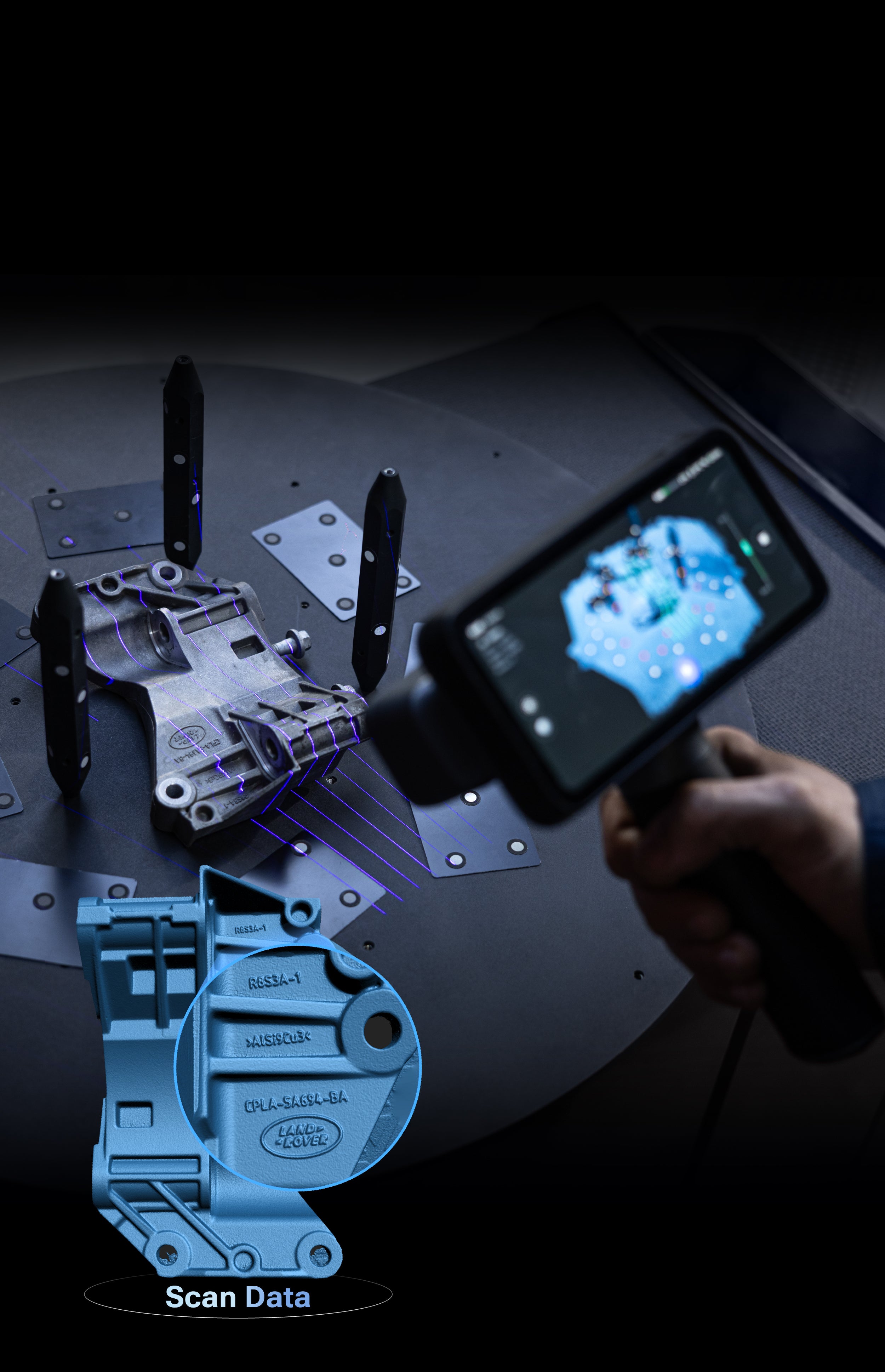
The Rigil Lite introduces onboard processing capabilities that allow users to align, trim, and validate data directly during the scan. This reduces the time between capture and usable output.
The Limited Edition improves this further by handling larger datasets more efficiently. Real-time updates are smoother, and heavier scans remain responsive even as data volume increases.
This difference becomes especially important in professional environments where multiple scans are completed in a single session.
Real-World Scanning Experience
When all three scanners are used under identical conditions, clear behavioral differences emerge.
The Rockit prioritizes speed and mobility. It performs best when the operator maintains consistent movement and understands how to guide tracking through geometry changes.
The Rigil Lite prioritizes stability and ease of use. It reduces operator dependency and provides a more forgiving scanning experience across mixed surface types.
The Limited Edition extends that same workflow but improves performance at scale, making it more suitable for longer sessions and heavier datasets.
Which Scanner Should You Choose?
The right choice depends entirely on workflow style rather than raw capability.
The EinStar Rockit is best for users who value speed, mobility, and flexible scanning of large or complex objects.
The Rigil Lite is ideal for users who want a stable, structured workflow with predictable results and less operator correction.
The Rigil Lite Limited Edition is the best option for users who work with larger datasets, longer scanning sessions, or more demanding professional workflows.
Final Thoughts
All three scanners are capable tools, but they are designed for different types of users.
The Rockit focuses on fast capture and movement-based workflows. The Rigil Lite emphasizes stability and structured scanning. The Limited Edition bridges those capabilities with improved data handling and responsiveness for heavier professional use.
Ultimately, the best scanner is not the one with the most features, but the one that best matches how you actually work.